0

Classic experiments: DNA as the genetic material

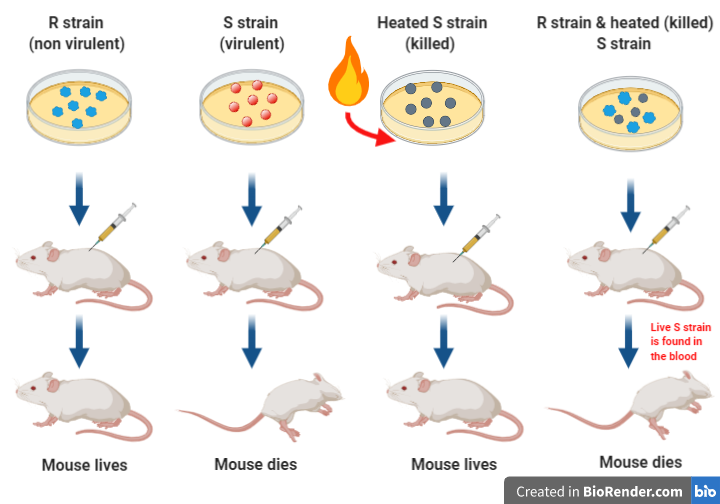
In a previous post, we learned that DNA is the genetic material of the cells, and one of its most important functions is that it contains genes that carry the information for the determination of the hereditary characteristics. However, scientists were… Continue Reading

0

The genetic material

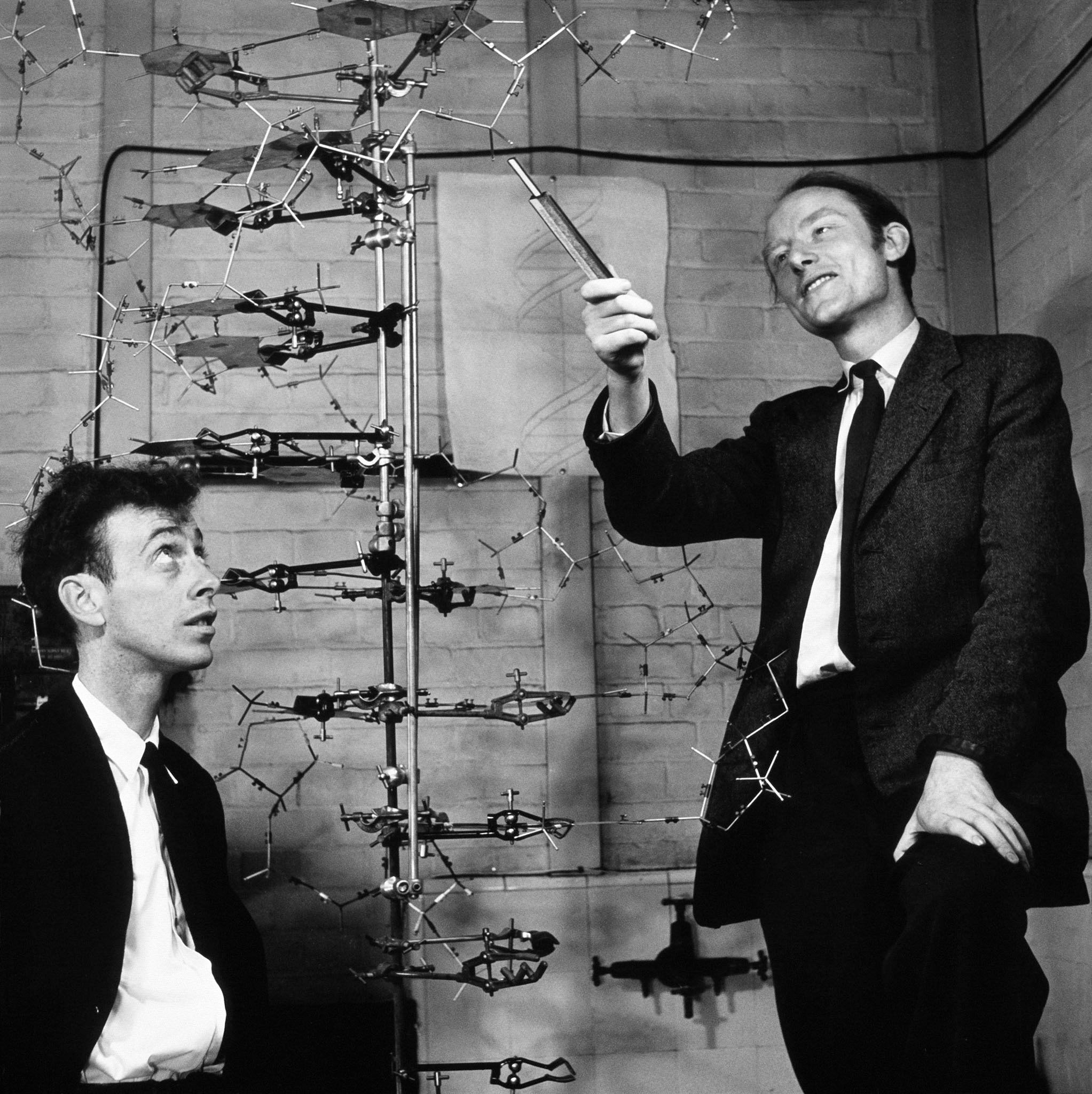
DNA or Deoxyribonucleic acid is the genetic material of all the cells and most viruses, with the exception of some viruses that use another type of nucleic acid, called RNA or Ribonucleic acid. As we will see in the following… Continue Reading

0

How did dinosaurs become extinct?

Dinosaurs are a diverse group of reptiles that appeared about 250 million years ago at the beginning of the Triassic period and dominated the Earth during the Jurassic and the Cretaceous period. However, they suddenly vanished from the face of… Continue Reading

0

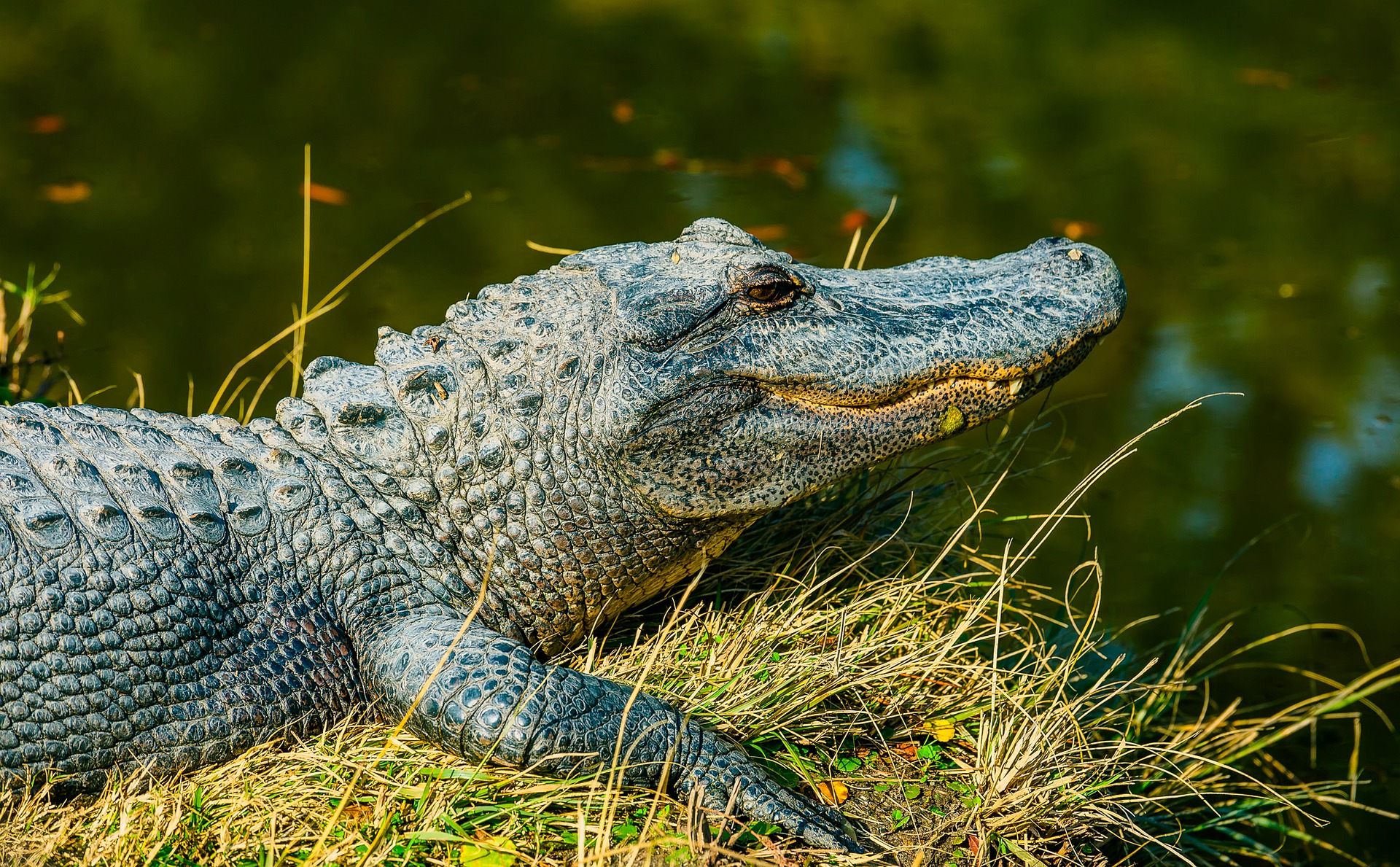
Crocodiles vs Alligators

Do you use the words “crocodile” and “alligator” interchangeably? Do you think they are the same animals with a different name or with just a few differences? Let’s find out how to distinguish them. Crocodiles and Alligators are reptiles that… Continue Reading

0

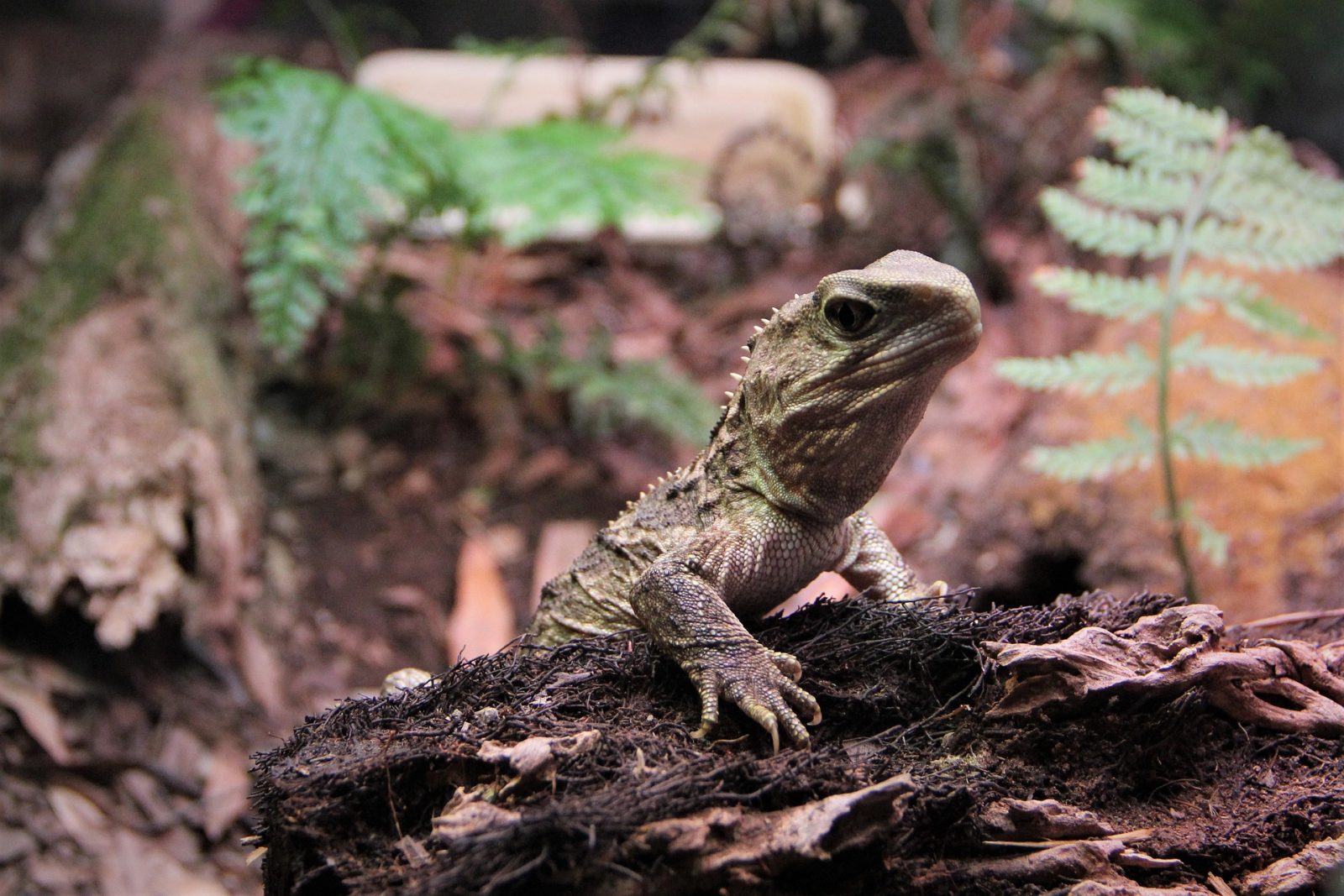
Meet the tuatara

Tuatara are reptiles belonging to the species Sphenodon punctatus. Biologists are very interested in this animal due to its uniqueness and history. Tuatara look like lizards, but they are much more different. They are the only surviving members of the order… Continue Reading

0

What is antibiotic resistance and why is it a threat to public health?

In a previous post, we talked about antibiotics and how they have helped us fight off bacterial infections since their discovery in 1928. To this day, they are used for the prevention and treatment of mild to severe infections some… Continue Reading

0

Antibiotics

Bacteria often have bad fame since they are mostly known for the diseases they cause to the human population. However, not all bacteria are bad. A large number of bacteria live inside our bodies or on the surface of our… Continue Reading

0

What are viruses?

Viruses are microscopic parasites whose size belongs to the nanometer scale. They can invade the cells of other organisms in order to reproduce, since they don’t have the ability to do that independently, outside of their hosts. You might be… Continue Reading

0

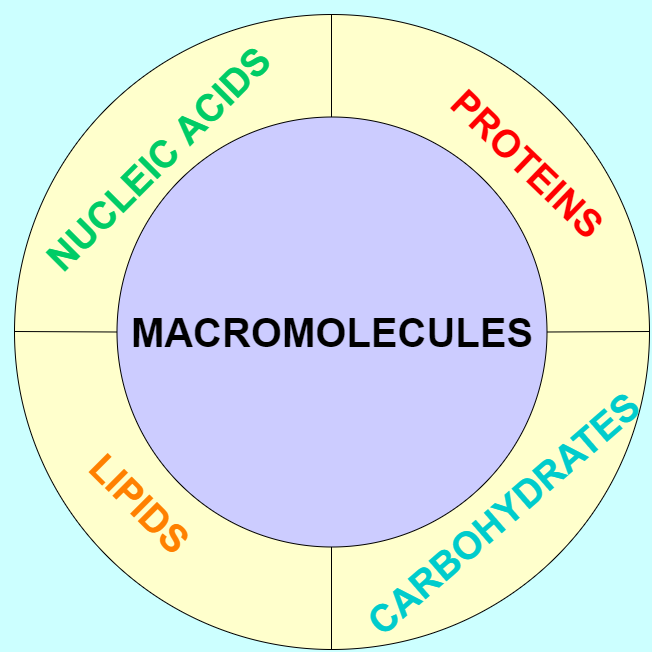
Macromolecules

We have already talked about how eukaryotic and prokaryotic organisms organize their cells in order to carry out their functions in efficient ways. But how are the different cellular parts (or organelles in eukaryotes) formed and how do they carry… Continue Reading

0

A Device Printing Human Organs

Have you ever imagined that you could use a printer that instead of printing your homework on a piece of paper it could print a three-dimensional object like a cell phone case or a miniature dog? This has become a… Continue Reading