Categories
Cell Biology

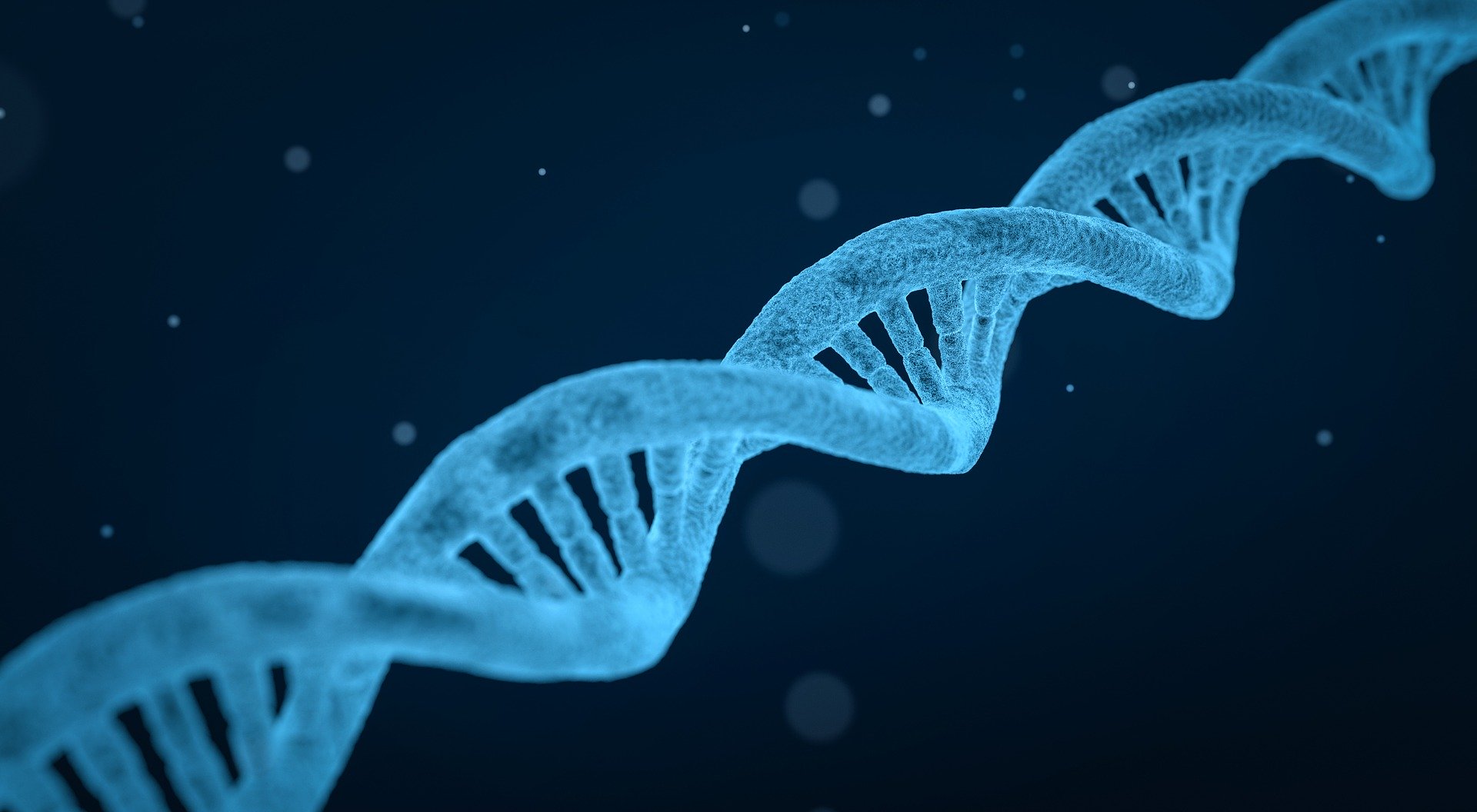
DNA in numbers

In previous articles, we talked about the two types of cell division, mitosis, and meiosis. We also described the differences between the terms chromatin, chromosome, and sister chromatid. However, if at this point someone asked you to find the number of chromosomes, chromatids, DNA molecules, and others, would you still have difficulty answering? If your […]

Categories
Cell Biology

Mitosis

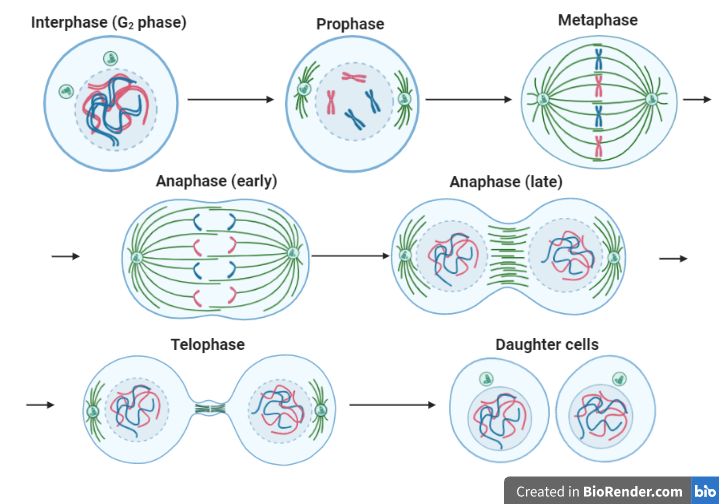
Mitosis is a type of cell division that results in two daughter cells that are identical to each other and their parent cell as well. Mitosis is an important process for many organisms since it serves different purposes. The zygote, the first cell of a new organism, undergoes a series of mitotic divisions to give […]

Categories
Cell Biology

DNA organization inside the nucleus

Chromosomes, chromatin, nucleosomes, genes, alleles? What is the difference between these terms? What are their roles? And how are they organized inside each one of the small cells of an organism? When you hear these words, you might think that they are pretty much the same, or you may not be able to distinguish their […]

Categories
Molecular Biology

Unraveling the double helix

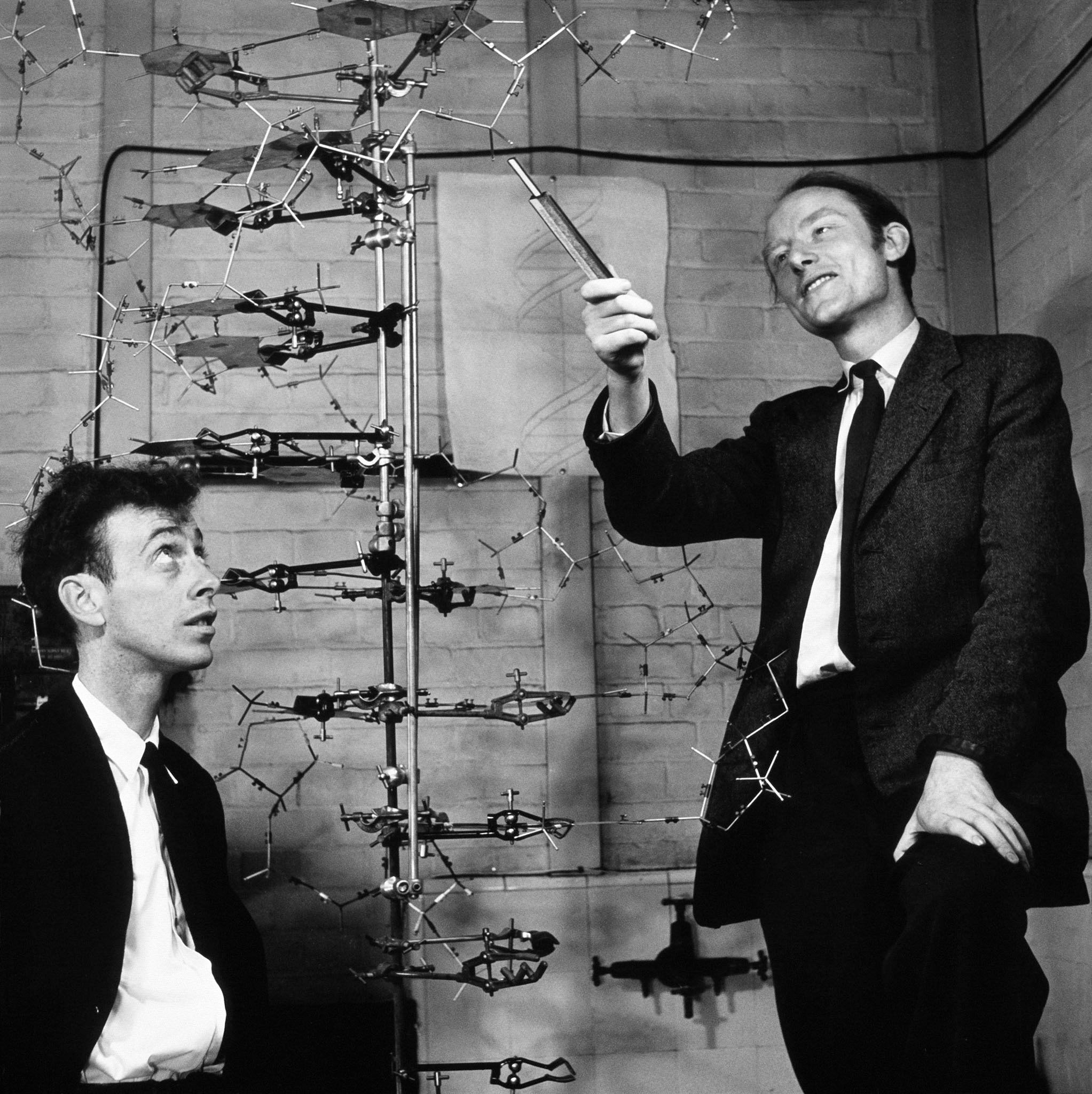
We learned in a previous post that in 1952, after a lot of experiments, DNA was accepted by the scientific community as the genetic material of the cells. However, something was still missing, and that was its structure. For many years prior, scientists were conducting experiments, each one unraveling some features of DNA that proved […]

Categories
Molecular Biology

Classic experiments: DNA as the genetic material

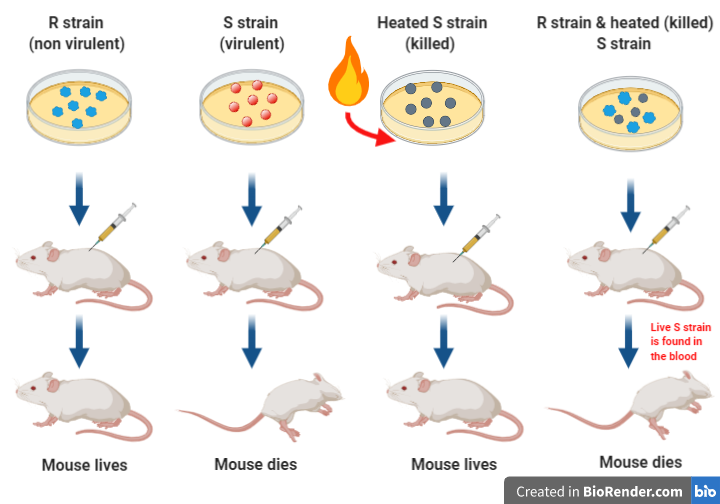
In a previous post, we learned that DNA is the genetic material of the cells, and one of its most important functions is that it contains genes that carry the information for the determination of the hereditary characteristics. However, scientists were not always aware that DNA was the genetic material. In fact, for the first half […]

Categories
Molecular Biology

The genetic material

DNA or Deoxyribonucleic acid is the genetic material of all the cells and most viruses, with the exception of some viruses that use another type of nucleic acid, called RNA or Ribonucleic acid. As we will see in the following posts, DNA presents some characteristics that make it the ideal molecule to carry out the […]

Categories
Microbiology

What are viruses?

Viruses are microscopic parasites whose size belongs to the nanometer scale. They can invade the cells of other organisms in order to reproduce, since they don’t have the ability to do that independently, outside of their hosts. You might be familiar with the viruses infecting people but all the living organisms on our planet are […]

Categories
Molecular Biology

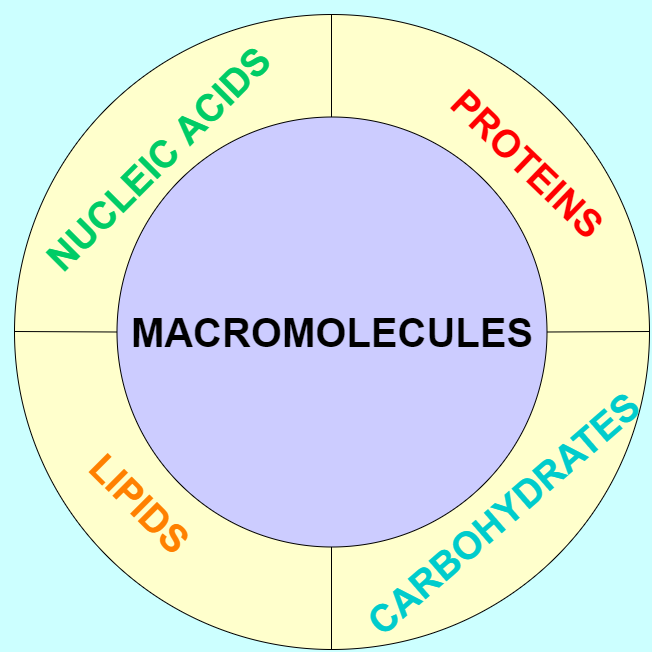
Macromolecules

We have already talked about how eukaryotic and prokaryotic organisms organize their cells in order to carry out their functions in efficient ways. But how are the different cellular parts (or organelles in eukaryotes) formed and how do they carry out their functions? The answer is that everything inside a cell is the result of […]