Categories
Cell Biology

Meiosis

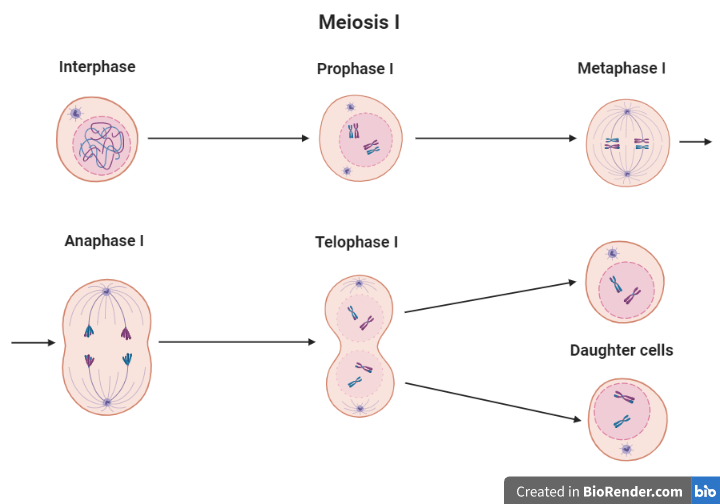
In organisms that follow sexual reproduction, gametes combine to form the zygote, the first cell of a new organism. We will discuss the familiar case of humans, but the same applies to other organisms as well. The two gametes, sperm and egg, are haploid cells, meaning they contain half the chromosome number of somatic cells. […]

Categories
Cell Biology

Mitosis

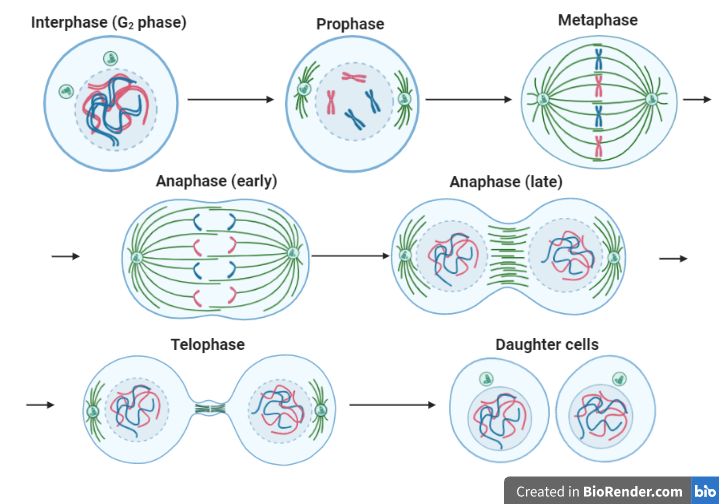
Mitosis is a type of cell division that results in two daughter cells that are identical to each other and their parent cell as well. Mitosis is an important process for many organisms since it serves different purposes. The zygote, the first cell of a new organism, undergoes a series of mitotic divisions to give […]

Categories
Cell Biology

Prokaryotic Cells vs Eukaryotic Cells

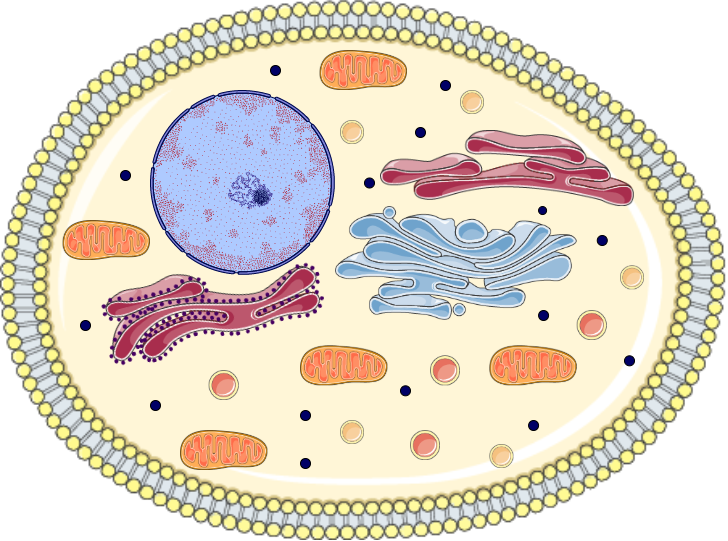
We learned previously that the cell is the fundamental structural and functional unit of all the organisms that exist on Earth. Not all of the cells are the same, though. They can be categorized into two groups based on their characteristics, as we will analyze further. These two groups are prokaryotic cells and eukaryotic cells. […]