Categories
Cell Biology

Meiosis

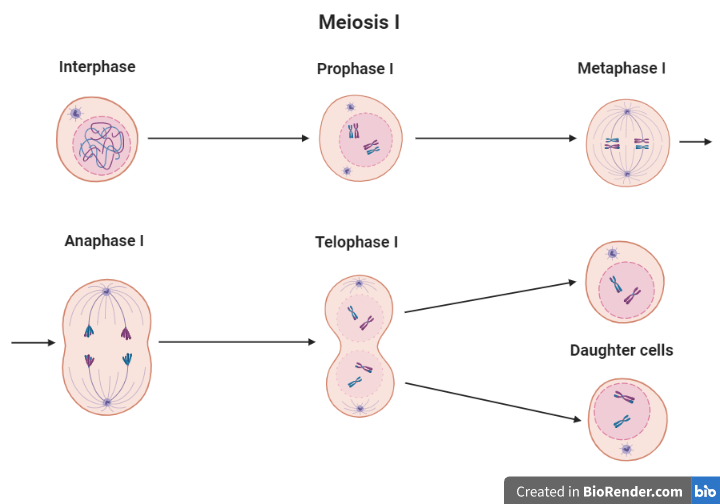
In organisms that follow sexual reproduction, gametes combine to form the zygote, the first cell of a new organism. We will discuss the familiar case of humans, but the same applies to other organisms as well. The two gametes, sperm and egg, are haploid cells, meaning they contain half the chromosome number of somatic cells. […]

Categories
Cell Biology

DNA organization inside the nucleus

Chromosomes, chromatin, nucleosomes, genes, alleles? What is the difference between these terms? What are their roles? And how are they organized inside each one of the small cells of an organism? When you hear these words, you might think that they are pretty much the same, or you may not be able to distinguish their […]

Categories
Cell Biology

Types of cell division

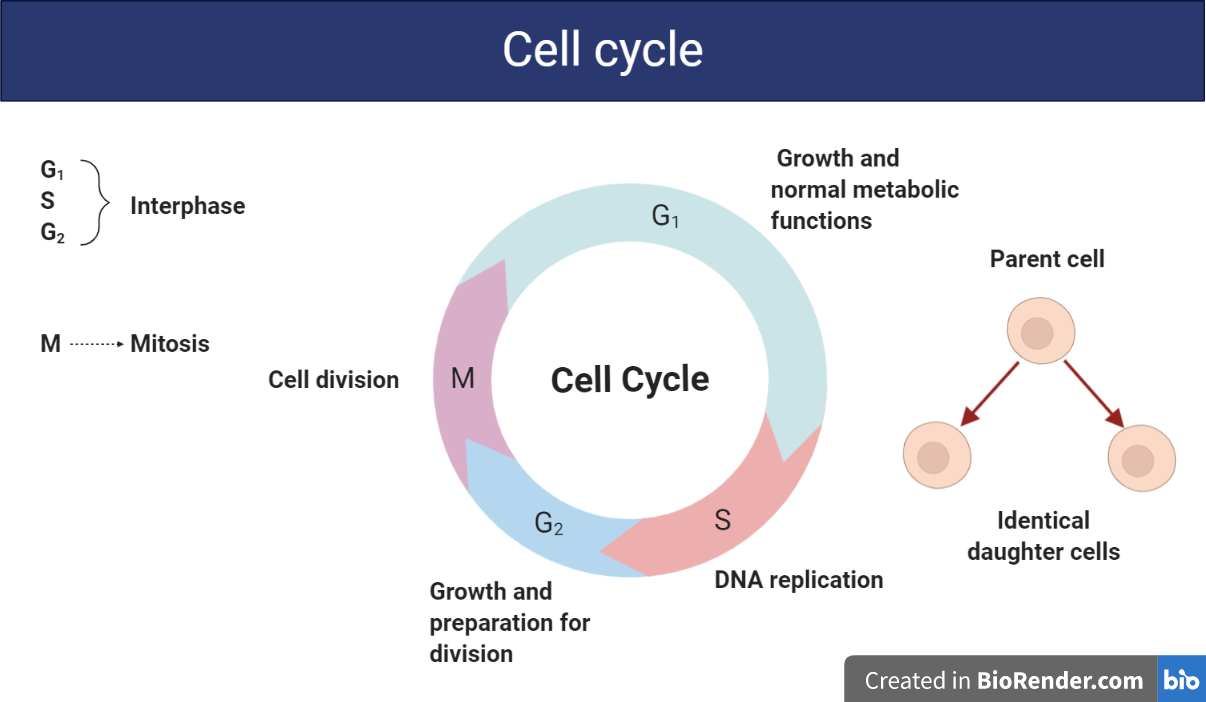
Have you ever wondered how the organs of an embryo develop inside the womb, how the immune system heals infections, or how a tree becomes taller with time? All of the organisms survive, grow, and reproduce by creating new cells. But how do new cells occur? No matter the organism or the type of cells, […]

Categories
Physiology & Disease

The organ systems of the human body

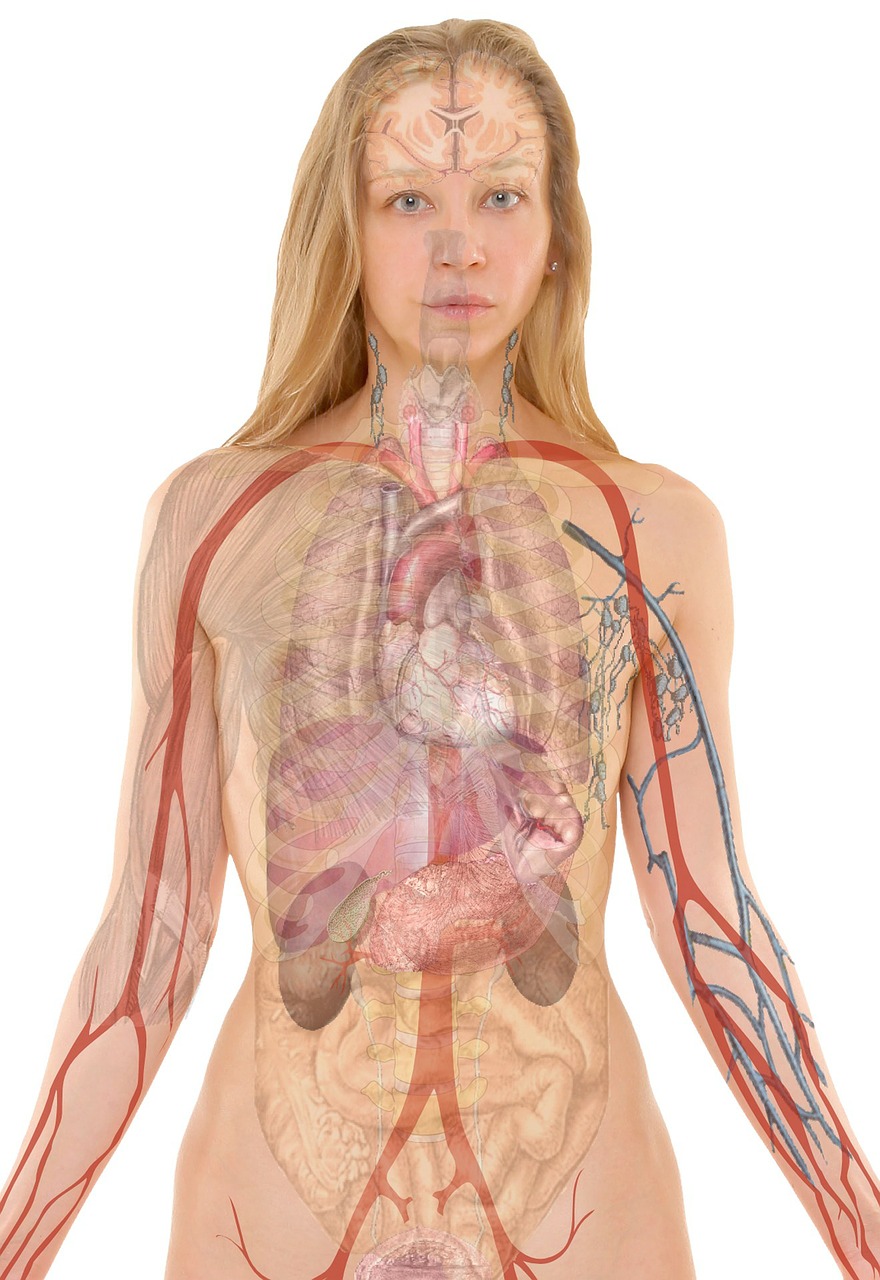
What are the differences between unicellular and multicellular organisms when it comes to their functions? We already know that three of the basic functions of living organisms are survival, growth, and reproduction. In order to survive and grow, a cell needs nutrients and oxygen. Moreover, it needs to get rid of carbon dioxide and waste […]